
Rainwater is naturally soft, but as it travels through the ground it picks up minerals from rocks such as chalk and limestone. The more calcium and magnesium the water absorbs, the harder it becomes.
Because the geology varies across the UK, water hardness levels can differ significantly from one area to another. While hard water is completely safe to use and drink, it can lead to everyday issues such as limescale build-up, water marks on surfaces, and soaps and shampoos that don’t lather as effectively.
Why is hard water more common in certain regions of the UK?
Local geology plays a big part. Areas where water passes through chalk or limestone tend to have harder water because these rocks contain calcium and magnesium. This is one reason hard water is common in parts of southern and eastern England.
Regional maps are only a general guide, so the most useful information is the hardness level for the supply serving your own address.
How can you tell if you have hard water?
Hard water can leave a number of noticeable signs throughout your home. While these indicators don’t reveal the exact hardness of your water, they can provide a good clue that hard water is present.
-
Limescale on taps and showerheads
White, chalky deposits around taps, showerheads and other fittings are one of the most common signs of hard water. Even after cleaning, these marks often return quickly.
-
Limescale inside your kettle
If you notice a flakey white coating inside your kettle, particularly around the heating element, hard water is likely the cause. This limescale forms as minerals are left behind when water is heated.
-
Water marks on shower screens and glassware
Hard water can leave behind visible mineral deposits as droplets dry, resulting in cloudy marks on shower screens, glassware and chrome surfaces.
-
Soaps and shampoos produce less lather
The minerals in hard water react with soap, making it more difficult to create a rich lather. You may find yourself using more soap, shampoo or washing-up liquid than necessary.
If you’ve noticed one or more of these signs, it’s worth checking the hardness level of your local water supply to confirm whether hard water is affecting your home.
Does hard water make cleaning more difficult?
Yes, hard water can have an impact on your everyday cleaning routine. Because the minerals in hard water make it more difficult for soap to lather, you will find yourself using more washing-up liquid, shampoo, soap and household cleaning products to achieve the same results.
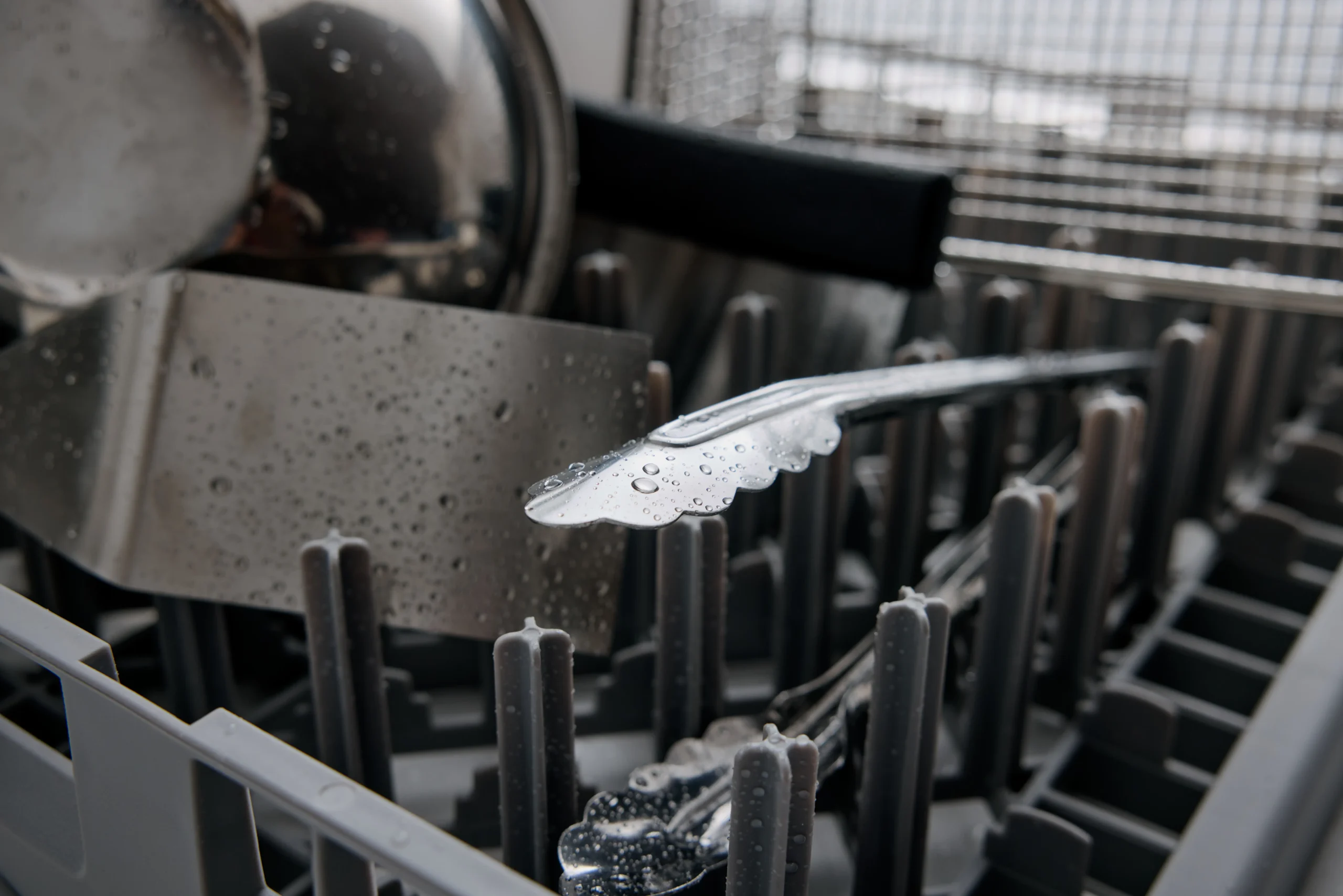
Hard water also leaves behind mineral deposits as water dries, resulting in marks on taps, sinks, shower screens and other surfaces. While regular cleaning can remove these deposits, they are likely to return if your water supply remains hard, making limescale an ongoing household challenge and frustration.
How can I check the water hardness in my home?
There are three simple ways:
- Check your postcode – The Kinetico UK water hardness checker can quickly show the hardness level in your area, giving you an indication of what to expect from your local water supply.
- Contact your water supplier – Your water company can provide information about the hardness of the water delivered to your property.
- Use a hard water test – For a more accurate reading, you can test the water directly in your.
For most homeowners, a postcode check is the quickest and easiest place to start. It provides a useful overview of local water hardness and can help you decide whether further testing is needed.
What is the difference between hard water and limescale?
Hard water and limescale are closely related, but they’re not the same thing. Hard water refers to water that contains dissolved minerals, primarily calcium and magnesium. Limescale is the chalky deposit that forms when hard water is heated or left to evaporate.
That’s why limescale is most commonly found in kettles, on taps, around showerheads and inside hot water appliances. While regular cleaning can remove these visible deposits, it won’t change the hardness of the water entering your home. As long as the water supply remains hard, limescale will continue to build up over time.
Can hard water affect household appliances?
Over time, hard water can lead to limescale build-up inside appliances, boilers and hot water systems. The extent of this build-up will depend on factors such as your local water hardness, household water usage and the type of appliance being used.
Regular cleaning and maintenance can help keep limescale under control, but they don’t address the source of the problem. To reduce limescale throughout the home, it’s important to tackle the hardness of the water entering your property. This will help protect appliances, improve efficiency and minimise ongoing scale build-up.
Can hard water be treated?
If you’re looking to reduce limescale throughout your home, a water softener is one of the most effective solutions. Water softeners are specifically designed to remove the calcium and magnesium minerals that cause water hardness, helping to stop limescale from forming on surfaces and in appliances.
This is achieved through a process known as ion exchange. As water passes through the softener, the hardness minerals are removed, producing softened water that will no longer leave behind limescale deposits.
It’s important to note that a water softener is different from a drinking water filter. A water softener softens the household water supply, while a drinking water filter is typically installed at a specific tap to improve the taste, appearance and quality of drinking water. Many homeowners choose to install both systems, as each serves a different purpose.
If you’d like to learn more about the process, our guide to how a water softener removes limescale explains how the technology works and what to consider when choosing a system for your home.
Is a water softener the same as reverse osmosis filtration?
No, a water softener and a reverse osmosis system are designed to solve different water quality issues. A water softener softens hard water throughout the home by removing the minerals that cause limescale.
A reverse osmosis system, on the other hand, is typically installed at a dedicated drinking water tap and is designed to remove a wide range of contaminants from water. If your main concern is limescale build-up on taps, showers and household appliances, a water softener is usually the best solution. If you are looking to improve the quality of your drinking water, a reverse osmosis filtration system may be the best option. Many households choose to install both systems to benefit from whole-home hard water protection and perfectly filtered drinking water on tap.
What should you do if you have hard water?
If you’ve identified hard water in your home and limescale is becoming a recurring problem, we recommend installing a water softener. Designed to remove the minerals that cause water hardness, a water softener will help protect appliances, eliminate limescale build-up and make everyday cleaning easier.
To learn more, explore the Kinetico range of water softeners or speak to your local Kinetico water expert for advice tailored to your home and exact water quality.