
Why is the water hard in Leatherhead?
Water hardness is largely determined by local geology. Rainwater begins relatively soft, but as it travels through the ground it can pick up naturally occurring calcium and magnesium from rocks such as chalk and limestone. The more of these minerals the water contains, the harder it becomes.
Leatherhead sits within the SES Water supply area. SES Water reports that most of the water it supplies comes from groundwater, and much of the region is influenced by chalk aquifers. This helps explain why hard water is a familiar issue across Leatherhead and the wider Surrey area.
Hard water is not a sign that the water is unsafe. It is a natural characteristic of the supply. For homeowners, the main issue is the effect those minerals can have once the water is heated, dries on a surface or repeatedly passes through appliances and plumbing.
How hard is the water in Leatherhead?
There is no single hardness figure that accurately represents every home in Leatherhead. Water can come from different supply zones, and the level at one address may not be identical to another nearby property. That is why a postcode-specific result is more useful than relying on a general Surrey average.
For a local check, use Kinetico’s postcode tool or view SES Water’s water quality and hardness report, which provides information for the supply serving your address.
Water hardness is usually shown as milligrams per litre of calcium carbonate (mg/l CaCO3), sometimes also referred to as parts per million (ppm). You do not need to memorise the measurement: the important point is whether the result places your home in a hard or very hard water area and whether you are already seeing the effects around the property.
What are the signs of hard water in a Leatherhead home?
Hard water usually makes itself known through the same everyday signs that many homeowners come to accept as normal. If several of the following keep returning after cleaning, hardness is likely to be the reason:
-
Limescale on taps and showerheads
White or chalky deposits can build up around fittings and return quickly after cleaning.
-
Scale inside kettles
A white, flaky coating around the base or heating element is a common sign of hard water.
-
Water marks on shower screens and glassware
Mineral deposits can remain behind as hard-water droplets dry.
-
Soap and shampoo that do not lather as easily
The minerals in hard water react with soap, so you may find yourself using more product.
-
Limescale in appliances and hot-water equipment
Over time, scale can build up on heating elements and other parts that regularly come into contact with hot water.
If you want a broader explanation of these signs, our guide to what hard water is and how to spot the signs explains what to look for throughout the home.
Can hard water affect appliances in Leatherhead homes?
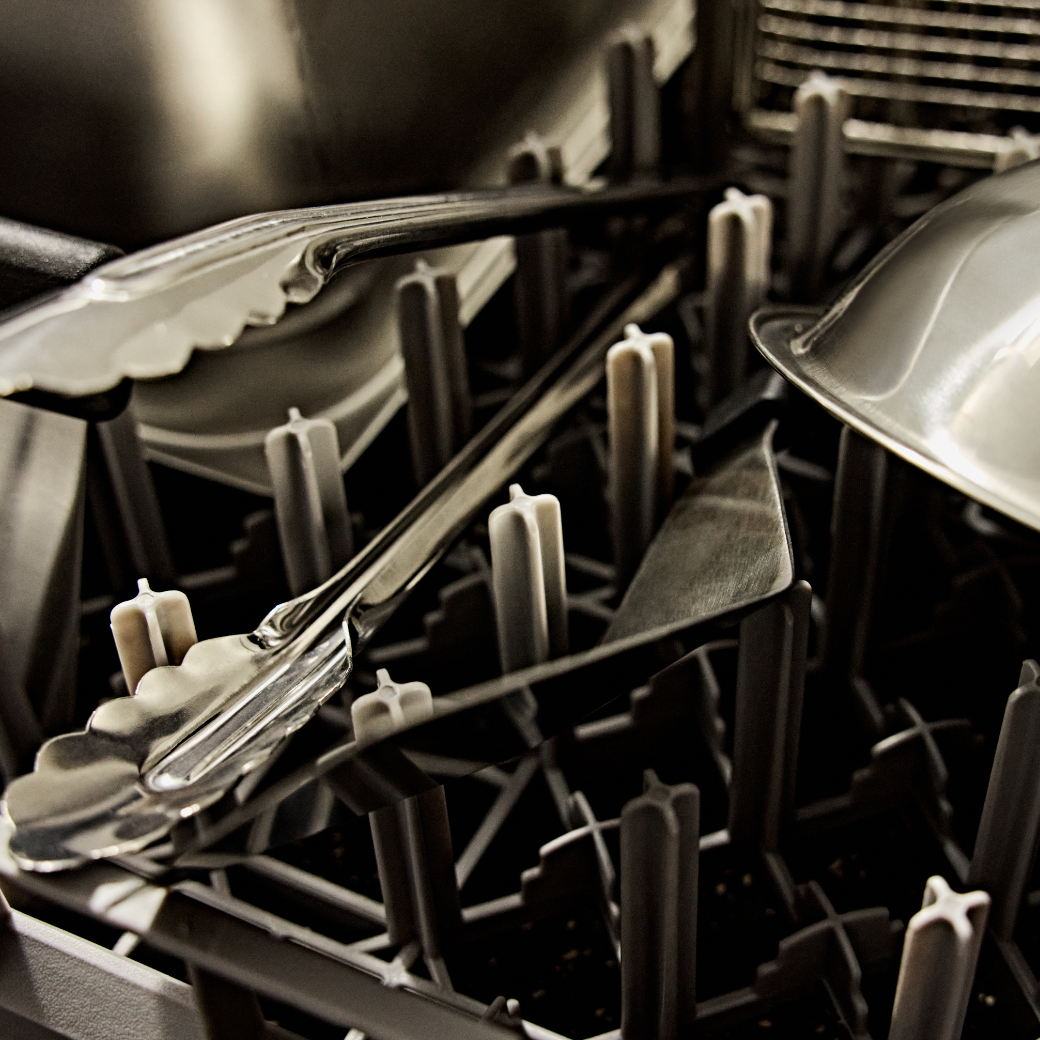
Yes. The calcium and magnesium in hard water form limescale when water is heated. Over time, this builds up inside kettles, washing machines, dishwashers, boilers and other hot-water equipment.
The effect varies from home to home, depending on the hardness level, how much water the household uses and the type of appliance. However, where limescale coats heating elements, the appliance has to work harder to transfer heat efficiently. Scale can also increase the amount of cleaning and maintenance required.
Regular descaling can remove visible scale deposits, but it does not change the water entering the property. If hard water is the source of the problem, the scale will continue to return until the hardness itself is addressed.
Is hard water in Leatherhead safe to drink?
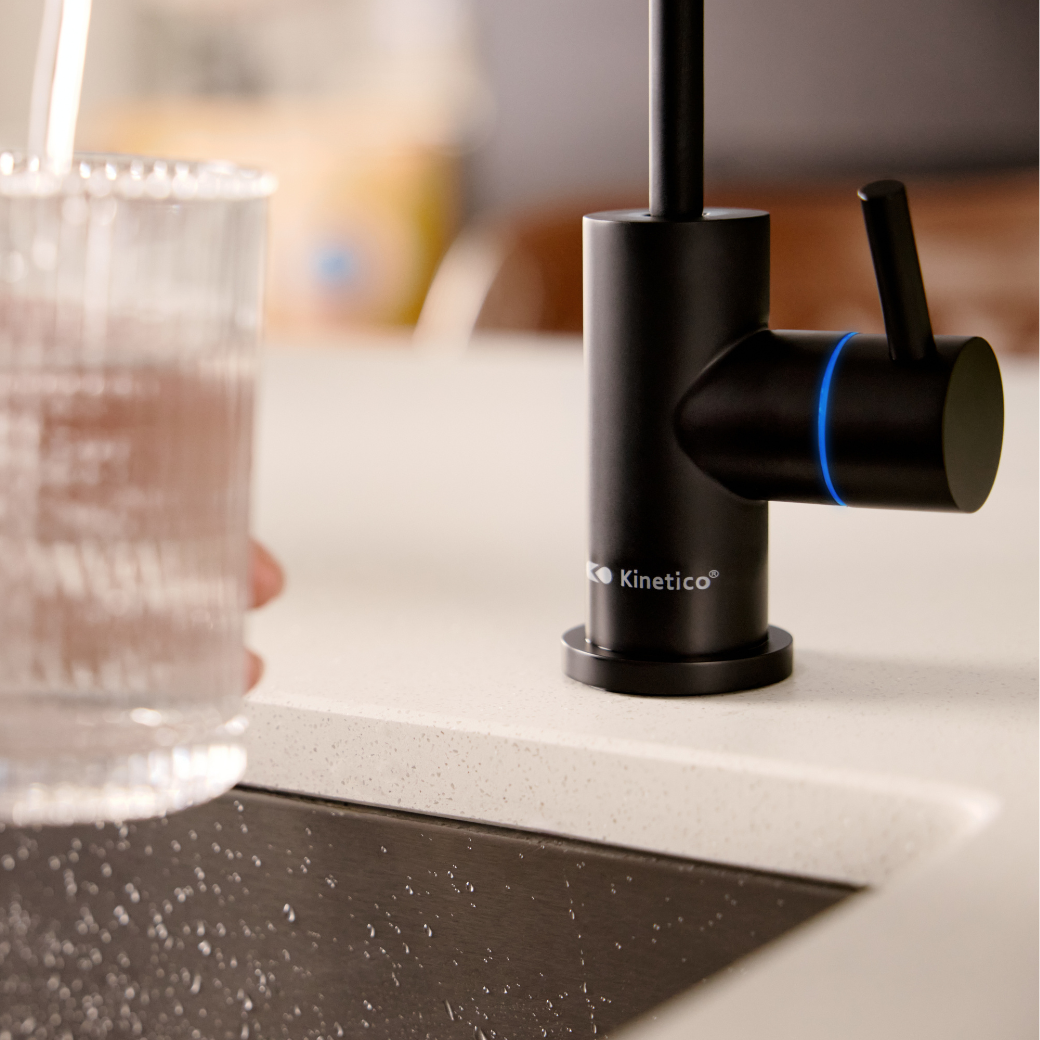
Yes. Hard water is safe to drink and is used every day in homes across Surrey and the rest of the UK. The minerals responsible for hardness occur naturally in the water and are not, by themselves, a drinking-water safety problem.
The main reasons people choose to treat hard water are practical: reducing limescale, making cleaning easier, helping protect appliances and improving how water feels around the home.
If you notice a sudden change in the colour, taste, smell or appearance of your tap water, do not assume hard water is the cause. Contact your water supplier so they can advise whether anything has changed in the local supply.
How can you reduce limescale in a Leatherhead home?
You can manage visible limescale with regular cleaning and descaling, but this treats the deposits after they have formed. If the aim is to reduce limescale throughout the property, a water softener addresses the root cause by removing the calcium and magnesium minerals responsible for water hardness.
Kinetico water softeners use ion exchange to remove hardness minerals before the water reaches your taps and appliances. Our guide to how water softeners work explains the process and the benefits of treating the whole household supply.
Do you need a water softener in Leatherhead?
Not every household has the same priorities, but if limescale is a recurring problem, a water softener can make a noticeable difference. The right system depends on the hardness of your water, the size of your household, the number of bathrooms, peak water demand and the space available for installation.
This is why a postcode result is useful, but it is only the first step. A home survey allows the system to be matched to the property rather than choosing a softener on water hardness alone.
Kinetico has a local team of experts covering Surrey, offering advice, home surveys, installation and ongoing aftercare. You can explore Kinetico water softeners in Surrey or speak to a local water expert about the most suitable option for your home.
Leatherhead hard water FAQs
Is Leatherhead a hard water area?
Yes. Leatherhead is in a part of Surrey where hard water is common. However, the exact hardness level can vary by address, so checking your postcode gives a more useful result rather than relying on a regional average.
Why does Leatherhead have hard water?
The local water supply is influenced by the geology of the South East. As water moves through chalk and other mineral-rich ground, it naturally picks up calcium and magnesium, which are the minerals responsible for water hardness.
Does hard water cause limescale?
Yes. When hard water is heated or evaporates, calcium compounds form the familiar chalky deposits known as limescale. This is why scale is especially common in kettles, around taps and showerheads, and inside hot-water appliances.
Will a water softener stop limescale?
A water softener removes the calcium and magnesium minerals that make water hard, preventing new limescale from forming throughout the home.
How do I know which water softener is right for my Leatherhead home?
The right choice depends on more than hardness alone. Household size, bathrooms, flow requirements and installation space all matter. A professional home survey is the most reliable way to match the softener to the property.
We will also cover this in more detail in our upcoming guide to choosing the right size water softener for your home.
Check your Leatherhead water hardness level
If limescale is a regular part of life in your Leatherhead home, start by checking the hardness level for your postcode. Once you know what is in your water, you can decide whether regular, ongoing maintenance is enough or if you’d prefer to tackle the problem at source, and prevent hard water from entering your property for good.
Use the Kinetico postcode checker for a quick local result, or contact the Kinetico Surrey team of experts to arrange a free, no-obligation home survey and get advice tailored to you and your home.