
Why does hard water create limescale?
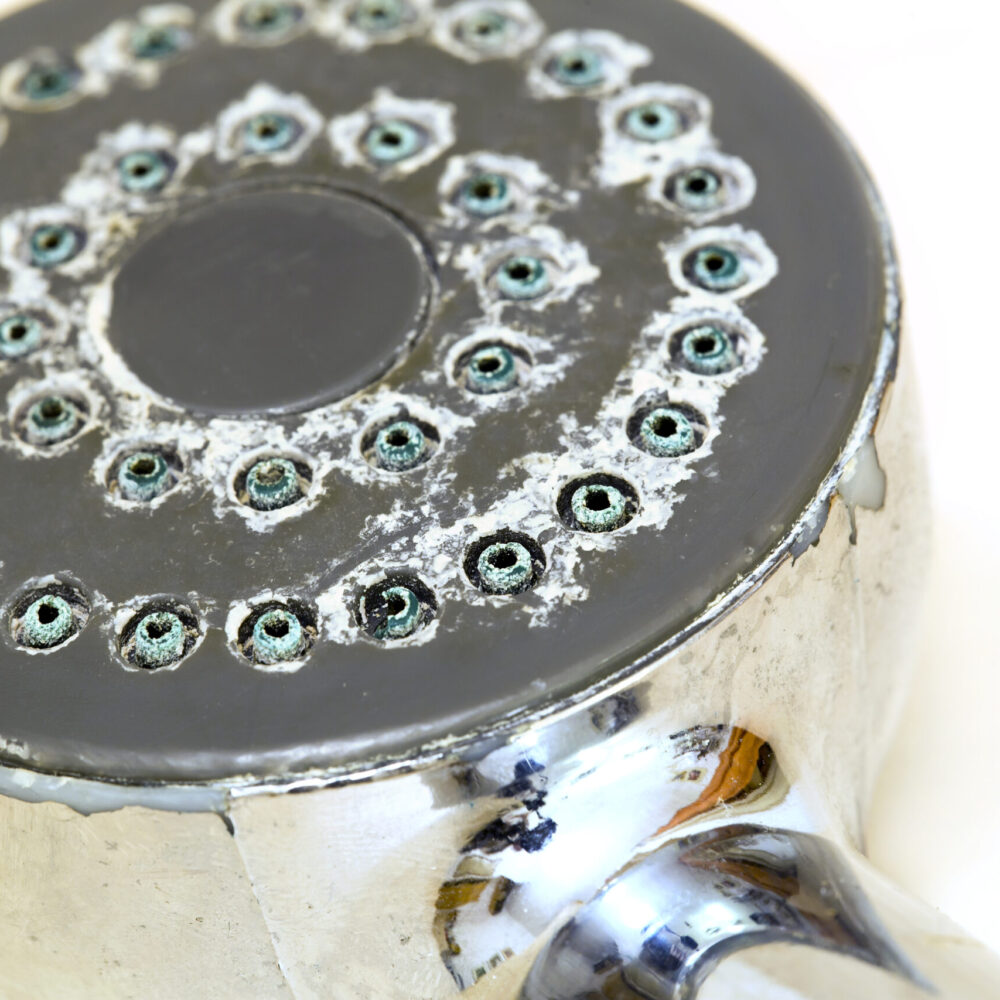
Hard water contains naturally occurring calcium and magnesium minerals. These minerals are picked up as rainwater moves through rocks such as chalk and limestone. They are not a sign that the water is unsafe, but they can create familiar problems around the home.
When hard water is heated or allowed to evaporate, some of the dissolved minerals can form the white, chalky deposits we know as limescale. This is why scale often appears inside kettles, on taps and showerheads, around heating elements and inside water-using appliances.
If you are not sure whether hardness is affecting your home, our guide to what hard water is and how to spot the signs explains the most common signs and how to check your local water hardness.
How does a water softener remove the minerals that cause limescale?
Inside a traditional ion-exchange water softener is a bed of resin beads. These beads attract the calcium and magnesium in hard water. As the water flows through the resin, the hardness minerals are captured and sodium ions take their place.
The softened water then continues into the household supply. Because the calcium and magnesium responsible for hardness have been removed, the water no longer forms limescale when it is heated or dries on a surface.
The principle is technical, but the result is easy to see around the home: less scale on taps and shower fittings, less build-up inside appliances and water that works more effectively with soaps and detergents.
What happens inside a water softener?
-
Hard water enters the softener
The incoming mains water is directed through the softener before it is distributed around the property.
-
The water passes through the resin
Calcium and magnesium are attracted to the ion-exchange resin and removed from the water.
-
Softened water leaves the system
With the hardness minerals removed, softened water flows to taps, showers and appliances throughout the home.
-
The resin is regenerated when needed
Once the resin is full of hardness minerals, it needs to be refreshed, or regenerated, so it can continue softening effectively.
Why do water softeners need salt?
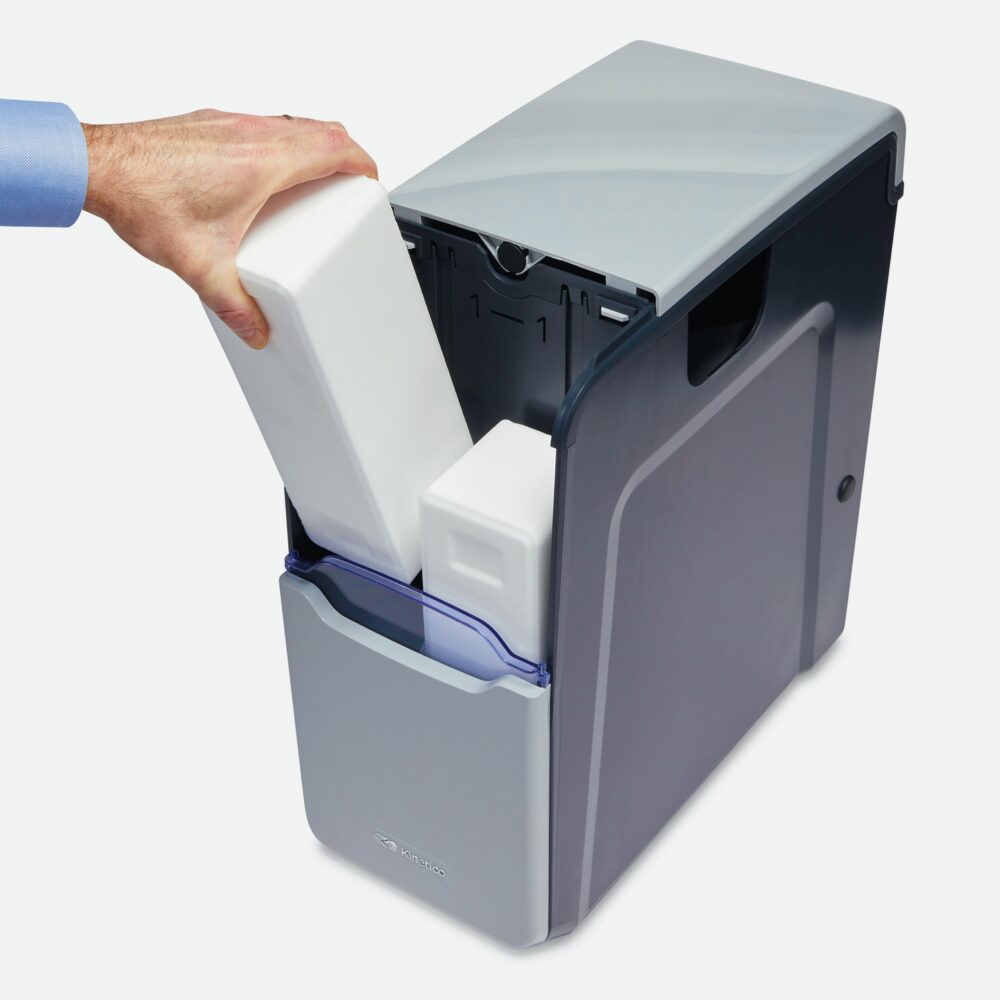
Salt is not added to the household water to “clean” it. It is needed to regenerate the resin inside the softener. When the resin has become fully loaded with the calcium and magnesium minerals, a concentrated salt solution, known as brine, is used to release the hardness minerals from the resin so the softener can start the process again.
The hardness minerals are flushed away during regeneration, while the resin is recharged ready for the next softening cycle. How often this happens depends on the design of the softener, the hardness of the incoming water and how much water the household uses.
How does a twin-tank water softener work during regeneration?

Some water softeners use a single resin tank, which means the system may be unable to provide softened water while that tank is regenerating. A twin-tank design uses two resin cylinders, allowing one to continue supplying soft water while the other regenerates.
Kinetico water softeners use a twin-tank design and are powered by water pressure rather than electricity. They also measure water use and regenerate when required, rather than relying on a fixed electrical timer. The practical benefit is a continuous supply of softened water without needing the homeowner to manage when regeneration takes place.
We will look at these design differences in more detail in our upcoming guide to why homeowners choose Kinetico water softeners.
Does a water softener remove existing limescale?
A water softener is designed to prevent new limescale from forming by removing the hardness minerals from the incoming water. It should not be treated as an instant cleaning system for deposits that are already present.
Existing limescale on taps, shower screens or appliances may still need to be cleaned away or descaled. The important difference is that once the incoming water has been softened, new limescale will not return in the same way.
Is a water softener the same as a water filter or reverse osmosis system?
No. A water softener is designed specifically to deal with hard water by removing calcium and magnesium from the household water supply. A drinking-water filter or reverse osmosis system has a different purpose and is normally installed to filter water at a dedicated drinking-water tap.
If your main concern is limescale throughout your home, a water softener is the best solution. If you want perfectly filtered drinking water directly from your kitchen tap, reverse osmosis filtration may be the better option. Many households use both because they are designed to perform different jobs.
What are the benefits of removing hardness before limescale forms?
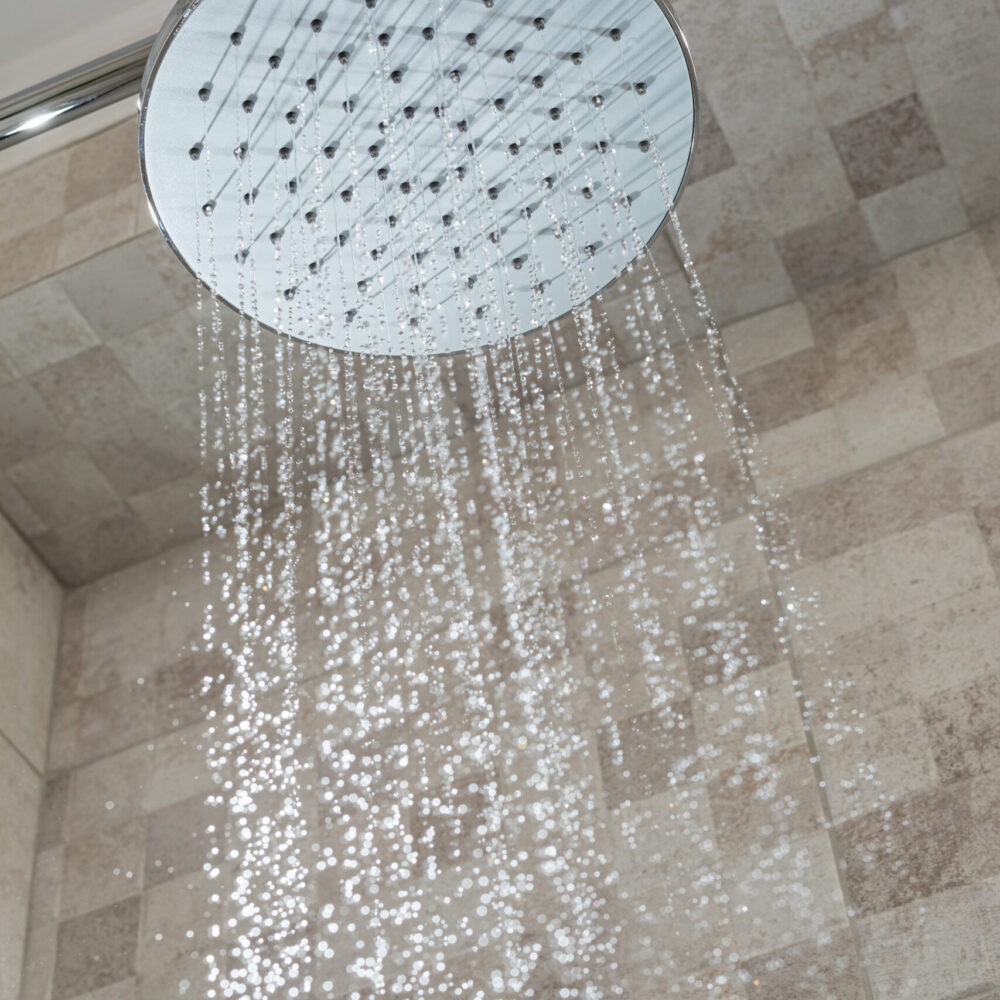
Treating water hardness at the point where the water enters the home means the benefits extend beyond a single tap or appliance. Softened water can help reduce the everyday effects of limescale throughout the home.
-
Banish limescale around the home
Taps, shower screens and kettles will no longer develop recurring chalky deposits.
-
Protection for water-using appliances
With soft water, limescale will no longer build up on heating elements and internal components.
-
Easier cleaning
Without the mineral deposits, bathrooms and kitchens will stay shiny and be far easier to keep clean.
-
Better bubbles
Softened water allows detergents to work more effectively, so smaller amounts of soap, shampoo and laundry products are needed.
-
A whole-home solution
A water softener improves the whole household supply rather than dealing with limescale appliance by appliance.
How do you know whether a water softener is right for your home?
Start with the hardness of your water and the problems you are seeing around the property. If limescale repeatedly returns after cleaning, kettles and appliances scale up quickly, or hard water is making everyday cleaning more difficult, treating the hardness at source may be the most effective approach.
The right softener also needs to match the property. Household size, number of bathrooms, peak water demand and installation space all affect which system is most suitable. A home survey, carried out by a local water expert, will confirm the hardness level, check the plumbing layout and ensure the ideal water softener is recommended.
You can also explore the Kinetico range of water softeners to compare the main systems available for UK homes.
Water softener and limescale FAQs
Will a water softener stop limescale?
A correctly installed ion-exchange water softener removes the calcium and magnesium minerals that make water hard. By eliminating the cause of water hardness before it moves around the home, new limescale will be prevented from forming.
Why does a water softener need salt?
Salt is used to regenerate the ion-exchange resin. The brine solution releases the calcium and magnesium collected by the resin so they can be flushed away, allowing the softener to continue removing hardness from the water.
How often does a water softener regenerate?
There is no single schedule for every system. It depends on the product, water hardness and household use. Demand-driven systems measure water use and regenerate when the resin actually needs to be cleaned, rather than at a set time no matter how much water has been used.
Does a water softener need electricity?
Some water softeners use electricity for timers or controls. Kinetico water softeners are powered by water pressure, so they do not need an electrical supply to operate.
Tackle limescale at the source
Regular descaling removes the limescale you can see, but it does not solve the problem: it does not change the hard water entering your home. A water softener takes a different approach: it removes the calcium and magnesium responsible for hardness before they can create new limescale throughout the home.
If limescale is a recurring problem, the next step is to check your water hardness and choose a water softener that matches your home and water use. Our Kinetico water experts are here to help. They can assess your requirements, recommend the most suitable system, arrange professional installation and ensure superior ongoing aftercare.
Speak to a Kinetico water expert for advice tailored to your home.