
The exact combination of filters varies between products, but a domestic reverse osmosis system will typically use several of the following stages:
| Filtration stage | What it does | Why it matters |
|---|---|---|
| Pre-filter | Reduces larger particles and, depending on the system, chlorine or unwanted tastes and odours. | Prepares the water and helps protect the RO membrane. |
| Carbon filtration | Adsorbs chlorine and substances that can affect taste and smell. | Improves the drinking experience and can protect sensitive RO components. |
| RO membrane | Reduces a broad range of dissolved substances as water is pushed through a semi-permeable membrane. | Provides the main reverse osmosis filtration stage. |
| Post-filter | Polishes the filtered water before it reaches the drinking-water tap. | Helps maintain fresh, clean-tasting water. |
| Optional cartridges | May add minerals or provide additional specialist filtration. | Allows the system to be tailored to different preferences and water-quality needs. |
Scroll horizontally to view the full table.
1. Pre-filtration: preparing the water before reverse osmosis
Before water reaches the reverse osmosis membrane, it normally passes through one or more pre-filtration stages. Their job is to remove substances that are better dealt with before the main RO process begins and to help the membrane work effectively for longer.
Depending on the design, this may include a sediment filter for larger particles, a carbon pre-filter for chlorine and unwanted tastes or odours, or a combination of the two. Not every system uses the same arrangement, which is why it is important to compare the purpose of each stage rather than simply counting the number of cartridges.
This first stage is easy to overlook, but it plays an important role. Good pre-filtration protects the components further through the system and helps create the right conditions for consistent reverse osmosis filtration.
2. Carbon filters: improving taste and protecting the system
Activated carbon is widely used in home water filtration because it is particularly effective at reducing chlorine-related tastes and odours. In a reverse osmosis system, carbon filtration can be used before the membrane, after it, or at both stages depending on the product design.
A carbon pre-filter helps prepare the incoming water and can reduce chlorine before it reaches the membrane. A carbon post-filter, sometimes described as a taste and odour cartridge, gives the filtered water a final polishing stage before it reaches the tap.
For the homeowner, the benefit is simple: the system is not only designed to filter the water thoroughly, but also to deliver water that tastes clean and fresh when you drink it, cook with it or use it for tea and coffee.
3. The reverse osmosis membrane: the main filtration stage
The reverse osmosis membrane is at the heart of the system. Water is pushed through an ultra-fine, semi-permeable membrane that allows water to pass through while removing a wide range of dissolved impurities and contaminants.
This is what makes reverse osmosis filtration different from a basic particle or carbon filter. Carbon is excellent for certain tastes, odours and substances, but the RO membrane is designed to work at a much finer level and reduce substances that are dissolved in the water.
The substances held back by the membrane are carried away in a separate flow of water, while the filtered water continues through the system. Membrane performance depends on the complete system, including water pressure, pre-filtration and the quality of the incoming water, so the membrane should never be judged in isolation.
4. Post-filtration: the final stage before the tap
After the water has passed through the RO membrane, many systems include a final filtration stage before the water reaches the dedicated drinking-water tap. This is often a carbon-based taste and odour filter.
Its purpose is not to repeat the work of the membrane. Instead, it gives the water a final polish, helping maintain the clean, fresh taste people expect from a high-quality reverse osmosis system.
The exact position and type of post-filter varies between systems. This is another reason why comparing only the number of “stages” can be misleading: two systems may have the same number of cartridges but use them for very different purposes.
5. Additional cartridges: minerals and specialist filtration
Some reverse osmosis systems go beyond the core pre-filter, membrane and post-filter arrangement. Additional cartridges can be used to tailor the final drinking water to a household’s preferences or to provide an extra level of specialist filtration.
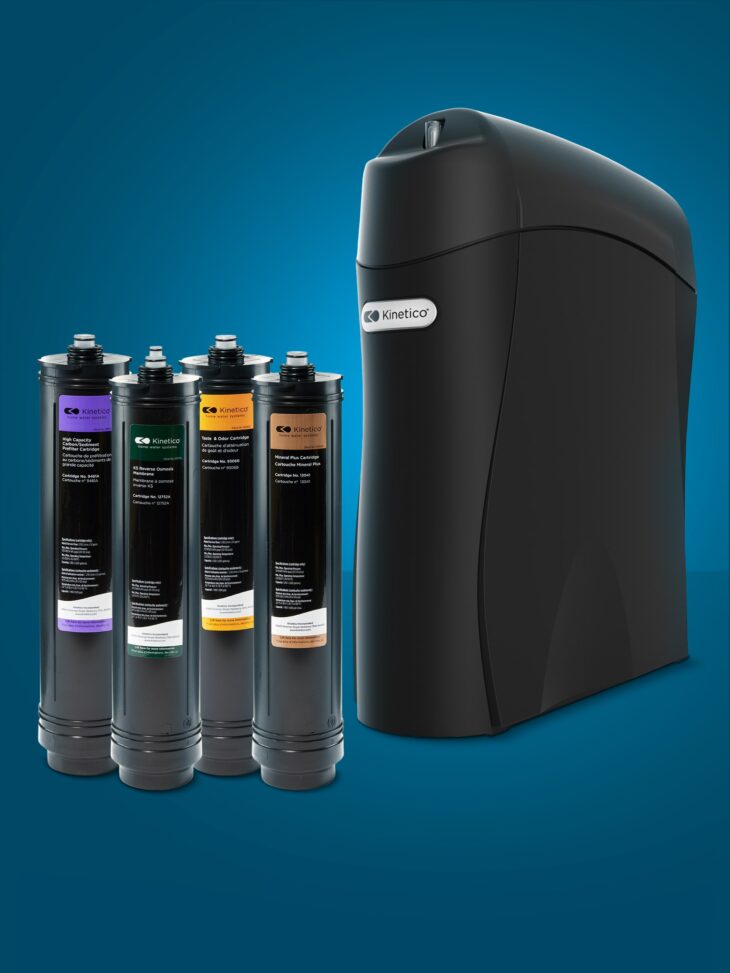
A remineralisation cartridge, for example, adds selected minerals back into the filtered water after reverse osmosis. The K5 Pure+ uses Kinetico’s Mineral Plus cartridge to add calcium back into the water and enhance taste.
Other systems use specialist cartridges for a broader level of filtration. The K5 Pure Ultra adds additional filtration stages to the core reverse osmosis process for households looking for Kinetico’s highest level of drinking-water filtration.
These additional stages are useful when they have a clear purpose. They should not be added simply to make a system appear more complex. The best filtration setup is the one designed around the water you have and the result you want.
Do more reverse osmosis filtration stages mean better water?
Not necessarily. A five-stage system is not automatically better than a three-stage system simply because it contains more filters. The important questions are what each stage is designed to reduce, how the complete system has been engineered and whether those features are relevant to your home.
A well-designed three-stage reverse osmosis system can provide excellent drinking water when those stages cover the household’s needs. A four- or five-stage system may add useful features such as remineralisation or specialist filtration, but those extra stages should deliver a clear benefit rather than simply increase the stage count.
When comparing products, look at filtration performance, certification, water efficiency, flow rate, maintenance and aftercare alongside the number of filters.
How do Kinetico K5 reverse osmosis filters differ?
The Kinetico K5 range uses the same core reverse osmosis principle but offers different filtration configurations, allowing homeowners to choose the level of treatment that best suits their priorities.
stages
K5 Pure
A 3-stage reverse osmosis filtration system designed for high-performance filtered drinking water.
stages
K5 Pure+
Adds a Mineral Plus cartridge, creating a 4-stage system that adds calcium back into the filtered water for enhanced taste.
stages
K5 Pure Ultra
A 5-stage reverse osmosis system with additional specialist filtration for Kinetico’s most comprehensive drinking-water treatment.
The important point is that the extra stages have a defined purpose. This makes it easier to choose a system based on what you want from your drinking water rather than simply choosing the product with the greatest number of filters.
How often should reverse osmosis filters be changed?
There is no single replacement schedule that applies to every reverse osmosis system. Filter life depends on the product, the type of cartridge, the quality of the incoming water and how much filtered water the household uses.
The safest approach is to follow the manufacturer’s replacement guidance for your specific system. Keeping filters up to date helps protect filtration performance, taste and the long-term condition of the unit.
Kinetico owners can see Kinetico replacement filter cartridges for compatible systems, including genuine replacement packs and specialist cartridges. Some Kinetico systems also include monitoring features that indicate when a cartridge is due to be changed.
If you are unsure which cartridges your system uses or when they should be replaced, your local Kinetico water expert can check the model and recommend the correct maintenance schedule.
Which reverse osmosis filtration setup is right for your home?
The right system depends on what you want to achieve.
Practical considerations
It is also worth considering practical factors such as available space under the sink, water pressure, flow rate, maintenance and the level of aftercare available. Our guide to choosing the right Kinetico water filter can help you compare the main options.
The next step in this series is to look beyond the individual filters and compare complete systems. Our guide to which reverse osmosis system is best for a UK home will cover the key differences to consider before choosing a model.
Reverse osmosis filtration FAQs
No. Most domestic systems combine pre-filtration, an RO membrane and some form of post-filtration, but the exact cartridges and order vary between products. Some systems also include remineralisation or specialist filtration stages.
No. The RO membrane performs the main reverse osmosis separation process and works differently from a carbon or sediment filter. The other cartridges prepare or polish the water, while the membrane is designed to reduce many dissolved substances at a much finer level.
Not necessarily. Reverse osmosis works without a remineralisation stage. Some homeowners choose one because they prefer the taste or want selected minerals, such as calcium, added back into the filtered water.
This depends on the system and the manufacturer’s instructions. Always use the correct replacement cartridges and follow the guidance supplied with your unit. If you are unsure, a Kinetico water expert can carry out the filter change and check that the system is performing correctly.
Choosing the right reverse osmosis system
The best reverse osmosis system is not simply the one with the most filters. It is the system in which every filtration stage has a clear purpose and the complete design matches your household’s water and priorities.
Whether you want advanced reverse osmosis filtration, mineral-enriched drinking water or additional specialist filtration, Kinetico reverse osmosis systems offer a range of configurations designed to deliver high-quality filtered water straight from the kitchen tap.
If you are unsure which option is right for your home, speak to your local Kinetico water expert for advice based on your water, your household and the level of filtration you require.