
Why is the water hard in Reigate?
Reigate sits within the SES Water supply area, where groundwater plays a major role in the local water supply. SES Water states that around 85% of its water comes from underground sources in the chalk of the North Downs and greensand south of the Downs. Water that has travelled through chalk and limestone naturally picks up calcium and magnesium, the minerals responsible for water hardness.
That geology helps explain why hard water is such a common feature of life in Reigate and across much of Surrey. It is a natural characteristic of the water rather than a sign that anything is wrong with the supply.
If you would like to check the official information for your home, SES Water provides a postcode-based water quality and hardness report for each supply zone.
Does SES Water soften the water before it reaches Reigate homes?
Some of the groundwater used by SES Water is naturally very hard. The company partially softens water from a number of its underground sources as part of the treatment process, while other sources are naturally softer and do not require the same treatment. This means the water reaching your property can still contain enough hardness minerals for limescale to form, even where some softening has already taken place before distribution.
The precise result depends on the source and supply zone serving your address. For that reason, postcode-level information gives a more accurate picture than a general statement about Reigate or Surrey as a whole.
What are the signs of hard water in a Reigate home?
Hard water usually makes itself known through small but persistent signs around the home. If several of these keep returning after cleaning, water hardness is likely to be the reason:
-
Limescale on taps and showerheads
White or chalky deposits can build up around fittings and return soon after they have been cleaned.
-
Scale inside kettles and water-using appliances
Hardness minerals are more likely to form visible limescale when water is heated.
-
White marks on shower screens, glassware and draining boards
Mineral deposits can remain on surfaces as droplets dry.
-
Soap and shampoo that do not lather as easily
Hard water reacts with soap, which can mean using more product to achieve the same result.
-
A layer of film on tea or coffee
Hardness minerals react with compounds in hot drinks and can create a visible film on the surface.
If you want a broader guide to the causes and everyday signs of hardness, our article on what hard water is and how to spot the signs explains what to look for throughout the home.
Can hard water affect boilers and household appliances?

Yes. When hard water is heated, the calcium and magnesium minerals it contains form limescale. Over time, that scale can build up on heating elements and inside kettles, washing machines, dishwashers, boilers and other water-using equipment.
The effect will vary depending on the hardness level, the amount of water used and the appliance itself. Where limescale coats a heating element, it creates an insulating layer that can make heat transfer less efficient. It can also mean more frequent cleaning, descaling and maintenance around the home.
Descaling products can remove deposits that have already formed, but they do not change the water entering the property. If the incoming supply remains hard, new limescale will continue to build up.
Is hard water in Reigate safe to drink?
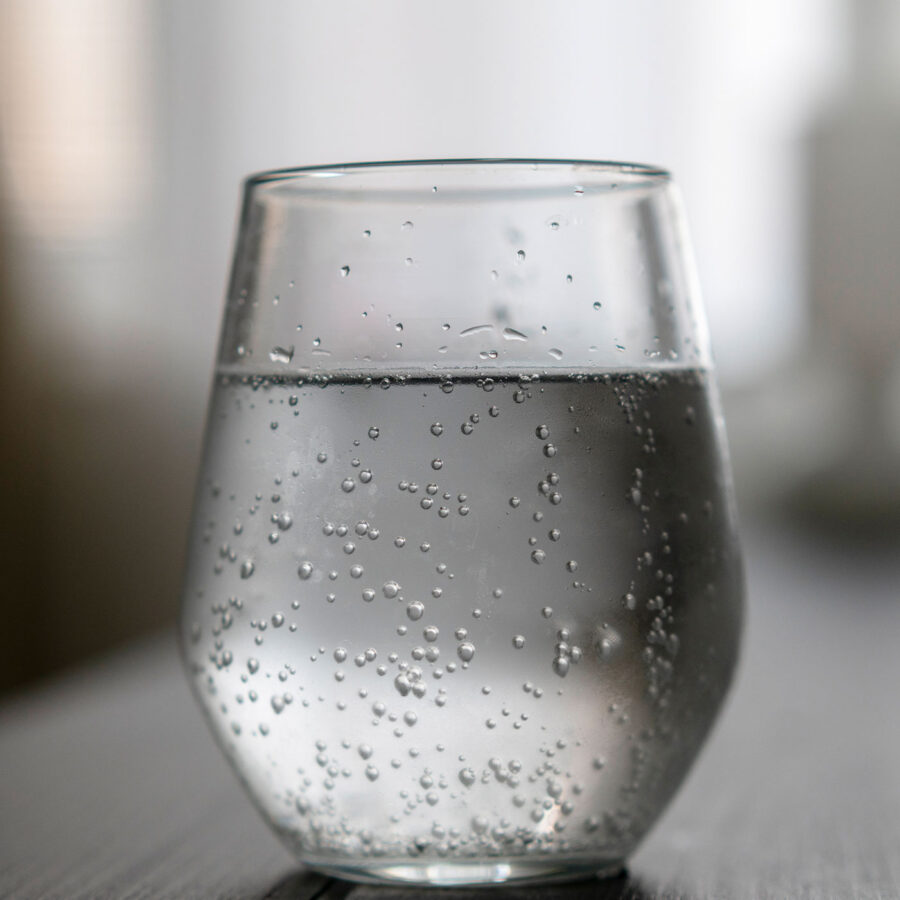
Yes. Hard water is safe to drink. The calcium and magnesium responsible for hardness occur naturally in the water and hardness itself is not treated as a drinking-water safety problem in the UK.
For most homeowners, the reasons for treating hard water are practical rather than safety-related: reducing limescale, making cleaning easier, protecting and maintaining the efficiency of appliances, the list goes on.
If you notice a sudden change in the colour, taste, smell or appearance of your tap water, do not assume hardness is the cause. Contact SES Water so they can advise whether there has been a change affecting your local supply.
What is the most effective way to reduce limescale in a Reigate home?
Regular cleaning and descaling can control visible limescale, but they deal with the problem after it has formed. If you want to tackle the cause throughout your home, a water softener is designed to remove the calcium and magnesium minerals responsible for hardness before the water reaches your taps, showers and appliances.
A water softener uses ion exchange to remove those hardness minerals from the household water supply. Once the water has been softened, it will no longer create new limescale throughout the home.
Our guide to how a water softener removes limescale explains the process in more detail, including ion exchange, regeneration and why the system needs salt.
Would a Kinetico water softener suit a Reigate home?
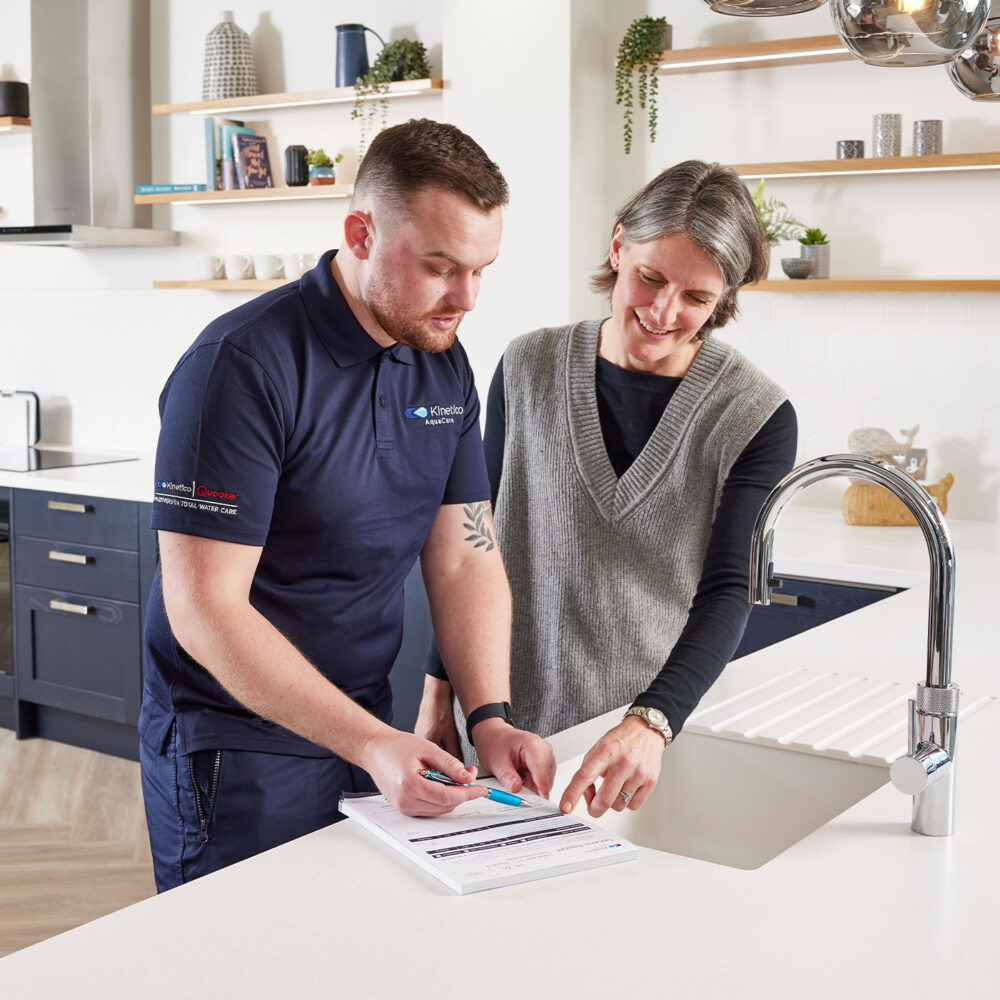
If limescale is a recurring problem, a water softener will make a noticeable difference. The correct system, however, should be selected for the property rather than on water hardness alone. Household size, the number of bathrooms, peak water demand, available installation space and the exact hardness level are all important considerations.
Kinetico Premier Water Softeners use non-electric, twin-tank technology designed to provide continuous soft water and regenerate according to actual water use. The Premier Compact is designed for homes with up to three bathrooms, while the Premier Plus is intended for larger homes with four or more bathrooms.
If you are considering a Kinetico system, our guide to ‘Why choose a Kinetico water softener?’ explains the technology and features in more detail.
You can also compare Kinetico water softeners before arranging a free, no-obligation home survey with a local water expert.
Reigate hard water FAQs
Is Reigate a hard water area?
Yes. Reigate is within an SES Water supply area where groundwater from the chalk geology of the North Downs is an important source. This means hard water is common, although the exact hardness level should be checked for your own specific postcode.
Why does Reigate have hard water?
Water moving through chalk and limestone naturally dissolves calcium and magnesium. These minerals make the water hard and form limescale when the water is heated or left to dry on surfaces.
Does SES Water soften Reigate water?
SES Water partially softens water from a number of its naturally hard underground sources. The amount of hardness in the final supply still varies by source and supply zone, so the most useful result is the one for your own address.
Will a water softener stop new limescale forming?
A correctly installed water softener removes the calcium and magnesium that cause hardness, stopping new limescale from forming throughout the home. Existing deposits will still need to be cleaned away.
How do I know which water softener is right for my Reigate home?
The right system depends on the hardness of your water, household size, bathrooms, flow requirements and installation space. A professional home survey is the best way to ensure the correct system is matched to the individual home and water demand.
Check your Reigate water hardness level
If limescale is a regular problem in everyday life in your Reigate home, start by checking the hardness level for your postcode. Once you know the characteristics of the water supplied to your address, you can decide whether regular descaling is enough or whether you would prefer to treat the hardness at source.
Use the Kinetico postcode checker for a quick local result. If you would like advice on the most suitable solution for your property, you can also find your local Kinetico water expert and arrange a free home survey.