
What should you look for when choosing a reverse osmosis system?
A reverse osmosis system is an investment in the drinking water you use every day, so it is worth looking beyond the headline claims. These are the main points to compare before choosing a system for your home.
-
Filtration performance
Check what the complete system is designed and certified to reduce, rather than focusing on the membrane alone. Different cartridges can target the removal of different substances.
-
Water flow
A system should provide a steady supply of filtered water that suits the way your household drinks, cooks and fills kettles or bottles.
-
Space under the sink
Some systems use a separate storage tank, while direct-flow systems can work without one. The best layout depends on your kitchen and the space available.
-
Water efficiency
Reverse osmosis uses a separate flow of water to carry away the substances rejected by the membrane. The amount varies significantly between systems, so efficiency and rejection rate are worth comparing.
-
Maintenance
Filters and membranes need replacing over time. Look for clear replacement guidance, easy access to genuine cartridges and reliable servicing support.
-
Installation and certification
A professionally installed system, backed by recognised certification and aftercare, gives greater confidence that it will perform as intended for years to come.
Does the number of reverse osmosis filters matter?
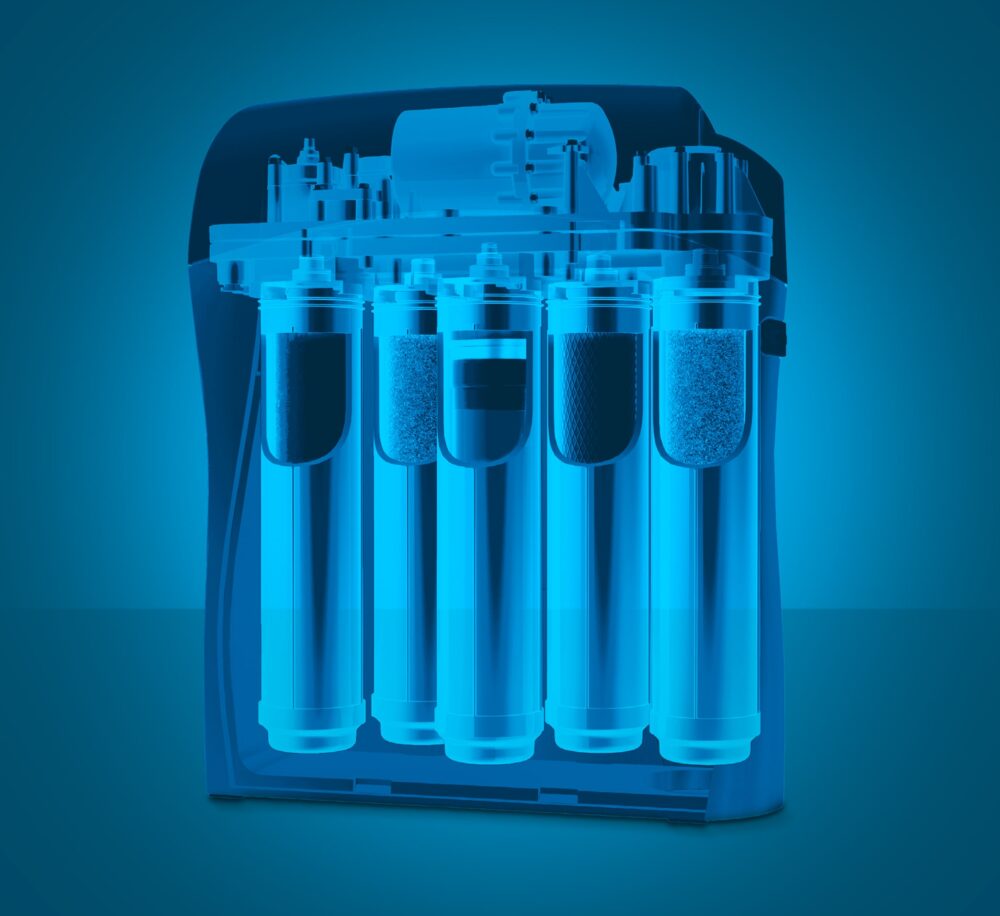
Not on its own. A system with more stages is not automatically better than one with fewer. What matters is the job each stage performs and whether those stages are relevant to the water in your home.
A typical reverse osmosis system may use pre-filtration to protect the membrane, the RO membrane itself and a final filter to polish the taste of the water. Some systems add extra cartridges for specific purposes, such as remineralisation or more advanced contaminant reduction.
Our guide to what filters are used in a reverse osmosis system explains each stage in more detail and why the quality and purpose of the filters matter more than the number printed on the box.
Is a tank or tankless reverse osmosis system better?
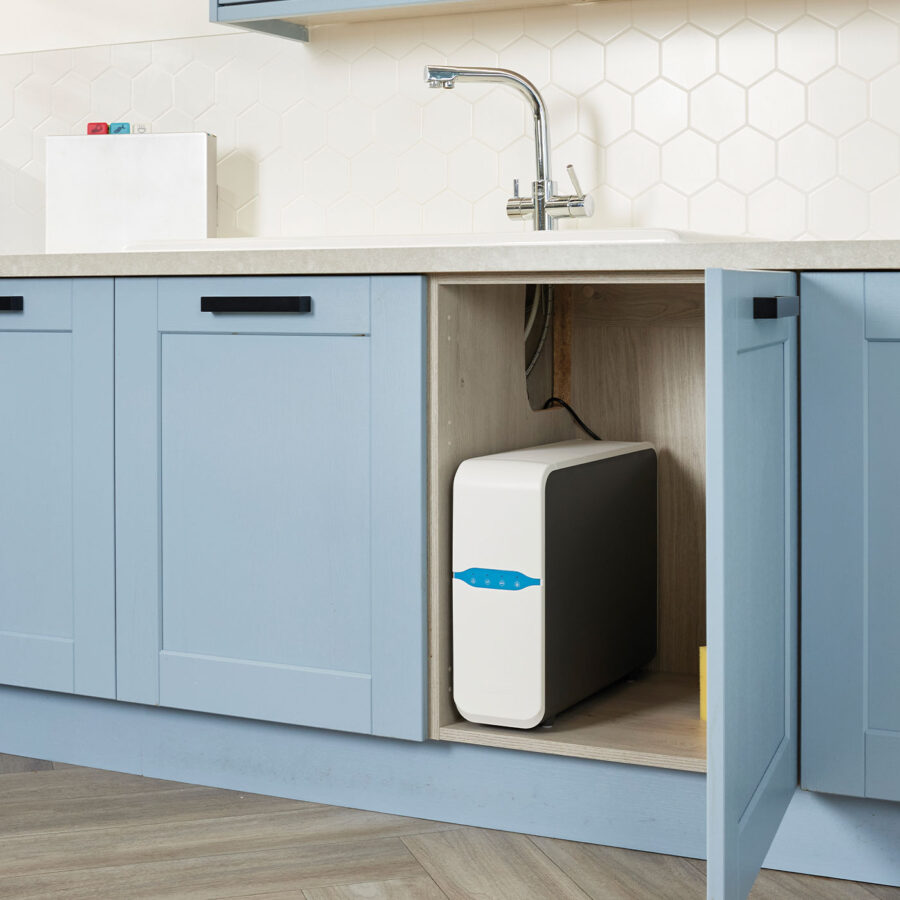
Both designs can provide excellent drinking water, but they suit different homes. Traditional RO systems often store filtered water in a tank so it is ready when you turn on the tap. A well-designed tank system can deliver a steady, consistent flow and may not require electricity.
A direct-flow or tankless system filters water on demand. This removes the need for a separate storage tank, which can be particularly useful where cupboard space is limited. Direct-flow systems can also offer very fast flow rates, although they may have different power and installation requirements.
For example, the Kinetico K5 range uses QuickFlo® tank technology and is powered by water pressure, while the Premier RO is a compact direct-flow system powered by electricity with no separate storage tank and a flow rate of up to 2.1 litres per minute. The better option depends on your available space, preferred flow and installation requirements.
Should you choose a reverse osmosis system with remineralisation?
Reverse osmosis filtration removes minerals along with many unwanted contaminants. Some people prefer the clean, neutral character of standard RO water, while others prefer selected minerals to be reintroduced after filtration. Neither preference is universal, so this is mainly about the drinking experience you prefer for your home.
If you prefer calcium-enriched drinking water, the Kinetico K5 Pure+ includes a Mineral Plus cartridge that adds calcium back into the filtered water. If your priority is straightforward RO filtration, another system in the range may be a better fit.
Which Kinetico reverse osmosis system could suit your home?
Kinetico offers several reverse osmosis systems for UK homes. They use the same core principle of RO filtration, but the configuration, flow, filtration stages and features are different. This means you can choose the perfect system for the way you want to use your drinking water, rather than settling for a one-size-fits-all approach.

K5 Pure
The K5 Pure is a strong choice if you want advanced reverse osmosis filtration in a compact, non-electric system. It uses a 3-stage filtration process, fits neatly under the kitchen sink and can be upgraded with additional K5 cartridges if your needs change. Its QuickFlo® tank technology is designed to maintain a strong, steady flow of filtered water.
K5 Pure+
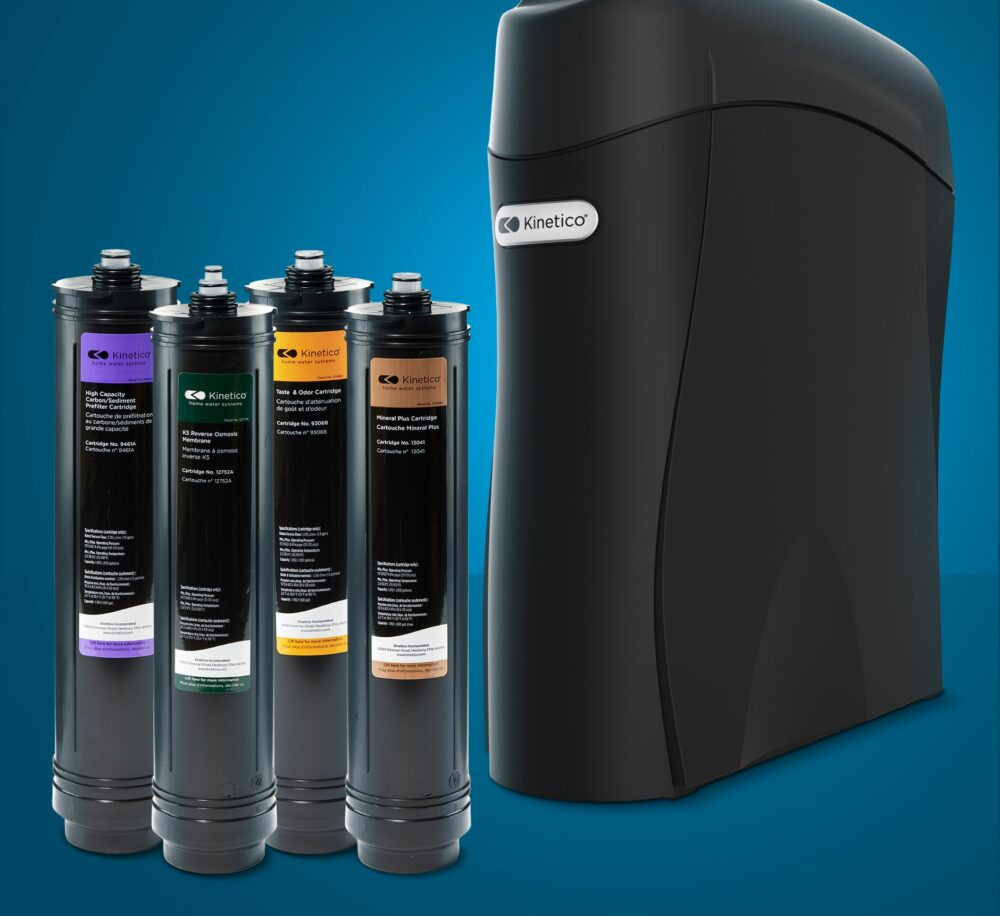
The K5 Pure+ is designed for homeowners who want reverse osmosis filtration with mineral-enriched drinking water. It uses a 4-stage process and includes the Mineral Plus cartridge, which adds beneficial calcium back into the water after filtration. Like the K5 Pure, it is compact and powered by water pressure rather than electricity.

K5 Pure Ultra
The K5 Pure Ultra is the most advanced system in the K5 range. Its 5-stage configuration combines reverse osmosis with additional cartridges for a higher level of filtration, making it well suited to households that want Kinetico’s most comprehensive K5 drinking-water system.

Premier RO
The Premier RO is a good option when a compact, tankless design and fast on-demand flow are priorities. Its 4-stage direct-flow system fits into a kitchen cupboard without a separate storage tank, can deliver up to 2.1 litres per minute and includes a smart tap with filter-life status information.
You can compare the full range of Kinetico reverse osmosis systems to see the available configurations and product features.
Does hard water affect which reverse osmosis system you should choose?
Hard water and drinking-water filtration are related, but they are different problems. A reverse osmosis system can remove hardness minerals in the water it filters, but an under-sink system only filters the drinking water supplied through that tap. It is not designed to protect showers, boilers, pipework or appliances throughout the property.
If limescale is a problem throughout your home, a water softener is the more appropriate whole-home solution. Many households use a water softener for the household supply and a reverse osmosis filtration system for high-quality drinking water at the kitchen tap. Our guide to what hard water is and how to spot the signs can help you identify whether hardness is also something you need to address.
How important are maintenance and aftercare?
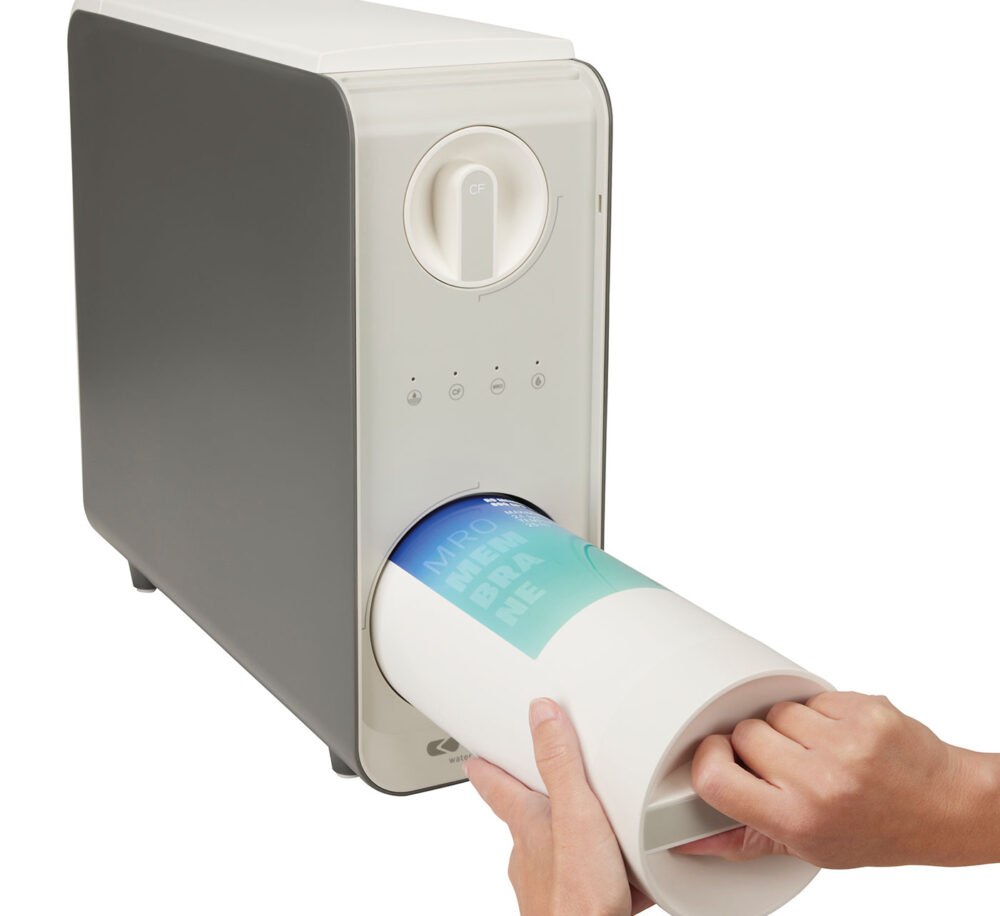
Very. Even a high-performance reverse osmosis system needs the correct filter changes and routine maintenance to continue performing at its best. Replacement intervals vary by model, water quality and household use, so the manufacturer’s schedule should always be followed.
Maintenance is also part of the ownership cost. Before choosing a system, check how easy it is to obtain replacement cartridges, how you will know when they need changing and whether professional servicing is available locally. A system that is easy to look after is much more likely to deliver consistent results over the long term.
How do you decide which reverse osmosis system is right for you?
Start with your priorities rather than the product name. Ask yourself:
-
Do you mainly want better-tasting, highly filtered drinking water, or are there specific contaminants you want the system to remove?
-
Would you prefer mineral-enriched water after filtration?
-
How much cupboard space do you have available, and would a storage tank fit comfortably?
-
How important are flow rate and water efficiency to your household?
-
Would you prefer a non-electric system, or is a powered direct-flow system suitable for your kitchen?
-
What level of maintenance, filter replacement and aftercare are you comfortable with?
If you are comparing filtration technologies as well as individual models, Kinetico’s guide to finding the right water filter for your home can help you narrow down the options.
Reverse osmosis system FAQs
Is a tankless reverse osmosis system better than one with a tank?
Not necessarily. Tankless systems can save cupboard space and provide fast water on demand, while a well-designed tank system can provide excellent flow without needing electricity. The best design depends on your kitchen, water use and installation requirements.
Do all reverse osmosis systems remove the same things?
No. The RO membrane is central to the process, but the complete filtration system determines overall performance. Pre-filters, post-filters and optional cartridges can all change what the system is designed to reduce, so compare certified performance rather than assuming every RO system is the same.
Is remineralised reverse osmosis water better?
It comes down to preference. Reverse osmosis produces low-mineral drinking water. A remineralisation cartridge adds selected minerals back into the water after filtration, which some people prefer for taste. If this is important to you, choose a system designed to include that stage.
Do I need a water softener as well as reverse osmosis?
If your only priority is filtered drinking water, you may only need an RO system. If hard water and limescale are also affecting bathrooms, taps and appliances, a water softener deals with that separate whole-home problem. The two systems work perfectly alongside each other because they are designed to perform different jobs.
Which reverse osmosis system should you choose?
The best reverse osmosis system for your home is the one that combines the filtration performance you want with the right flow, footprint, efficiency and maintenance requirements. For some households, the flexible non-electric K5 platform will be the natural fit. Others may prefer mineral-enriched water from the K5 Pure+, the advanced filtration of the K5 Pure Ultra or the fast, tankless design of the Premier RO.
If you are unsure which option best suits your water and kitchen, speak to a Kinetico water expert. They can assess your requirements and recommend the most suitable drinking-water system for your home.